
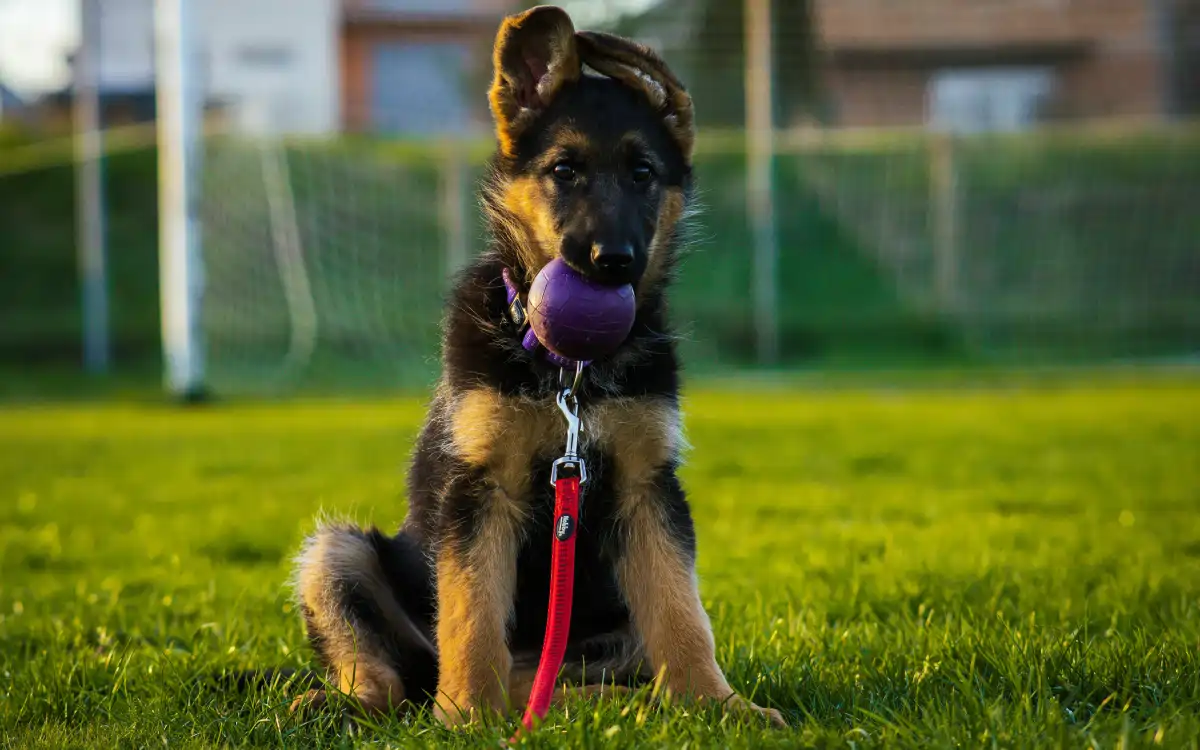
Bringing home a new puppy is pure joy. It’s also chewed shoes, accidents on the rug, and a few sleepless nights. If you’re feeling a little overwhelmed, you’re not alone, and you’re right on time to get some help.
Our private puppy classes are designed for puppies 8 to 22 weeks old. These fun, supportive sessions build confidence, encourage positive behavior, and strengthen the bond between you and your new companion. Whether you’re a first-time puppy parent or just need a refresher, we’ll help you lay the foundation for a happy, well-balanced dog.
Why the First Few Months Matter So Much
The weeks between 8 and 22 are some of the most important in your dog’s entire life. During this stage, puppies are soaking up everything around them: people, places, sounds, smells, and routines. What they learn now shapes how they’ll respond to the world as adult dogs.
A puppy who has positive early experiences tends to grow into a confident, adaptable dog. A puppy who misses out, or who has scary experiences without guidance, may carry that fear for years. That’s why we don’t believe in waiting until problems show up. It’s far easier to build good habits from day one than to undo bad ones later.
Think of it like pouring a foundation for a house. Get it right, and everything you build on top of it stands strong.
Foundational Skills Every Puppy Needs
Our puppy sessions focus on the essential skills that matter most at this stage of development. These aren’t fancy tricks. They’re the everyday basics that make life with a new puppy easier for everyone in the house.
Housebreaking (Potty Training)
Accidents are part of puppyhood, but they don’t have to last for months. We’ll show you how to set up a consistent routine, recognize the signs that your puppy needs to go, and reward success the right way. With a clear plan, most families see progress much faster than they expected.
Crate Training
A crate isn’t a punishment. When introduced properly, it becomes your puppy’s safe, cozy den. Crate training helps with housebreaking, keeps your puppy out of trouble when you can’t supervise, and makes car rides and vet visits far less stressful. We’ll teach you how to make the crate a place your puppy actually wants to be.
Socialization with Objects and Sounds
The vacuum cleaner. A passing bicycle. The doorbell. A thunderstorm. To a puppy, everyday things can seem downright terrifying. Through gradual, positive exposure, we help your puppy learn that new objects and noises are nothing to fear. This kind of early socialization is one of the best ways to prevent anxious, reactive behavior down the road.
Spotting Shyness, Timidity, and Fear Early
Our foundational exercises do more than teach skills. They also give us a window into your puppy’s personality. As we work through housebreaking, crate training, and socialization, we watch closely for early signs of concerns like:
- Shyness: Hiding behind your legs or avoiding new people
- Timidity: Freezing, trembling, or refusing to explore new spaces
- Fear-related aggression: Growling, snapping, or lunging when startled or cornered
Catching these behaviors early makes a huge difference. A nervous puppy isn’t a “bad” puppy, but fear left unaddressed can grow into bigger problems as your dog matures. When we spot a concern, we can start working on it right away, while your puppy is still young, flexible, and eager to learn.
Private Puppy Classes That Fit Your Family
Let’s be honest: welcoming a new puppy can test anyone’s patience. Group classes have their place, but every puppy is different, and so is every household. That’s why we offer private puppy classes built around your puppy’s individual behaviors and your family’s goals.
The Benefits of Private Sessions
- One-on-one attention: We focus entirely on your puppy, not a room full of distractions.
- Tailored guidance: Every session addresses your puppy’s specific challenges and progress.
- Flexible scheduling: We schedule classes at times that are convenient for you and your family.
- Training for you, too: You’ll learn how to communicate clearly with your puppy and keep the progress going at home.
That last point matters more than most people realize. Training a puppy is only half the equation. The other half is helping you become the calm, confident leader your puppy is looking for.
Common Puppy Mistakes We Help You Avoid
Even the most loving puppy parents fall into a few common traps. The good news is that they’re easy to fix once you know what to look for:
- Inconsistency: Different rules from different family members can confuse your puppy and slow progress.
- Too much freedom too soon: Giving a new puppy the run of the house often leads to accidents and chewed belongings.
- Accidentally rewarding bad behavior: Attention for jumping or nipping, even scolding, can encourage it to continue.
- Waiting too long to socialize: Keeping a puppy at home for months can make the outside world feel scary later on.
In our sessions, we’ll help your whole family get on the same page so your puppy gets clear, consistent signals from everyone.
Simple Tips to Practice at Home
What happens between sessions is just as important as the sessions themselves. Here are a few habits we encourage every puppy family to start right away:
- Stick to a routine. Feed, play, and take potty breaks at consistent times each day.
- Keep training sessions short. A few minutes at a time works best for a puppy’s short attention span.
- Reward the good stuff. Catch your puppy doing something right and let them know it.
- Introduce new things slowly. Let your puppy explore at their own pace, and never force an interaction.
- Stay calm. Your puppy feeds off your energy, so a relaxed owner helps create a relaxed pup.
Frequently Asked Questions
What age should my puppy start classes?
Our puppy classes are designed for puppies between 8 and 22 weeks old. The earlier you start, the easier it is to build good habits before unwanted ones take hold.
I've raised dogs before. Are these classes still helpful?
Absolutely. Every puppy is unique, and a refresher with professional guidance can help you avoid common mistakes and address your new puppy’s specific needs.
Do I need to be at the sessions?
Yes. Your involvement is a big part of what makes our private puppy classes so effective. You’ll learn the same techniques we use so you can reinforce them at home.
How soon will I see results?
Every puppy learns at a different pace, but most families notice positive changes quickly once they have a clear plan and stay consistent at home. Small daily wins add up faster than you might think.
What if my puppy is older than 22 weeks?
No problem. Older puppies and adult dogs can still learn great habits. Our Jump Start Program is a great next step for dogs who need help with leash pulling, jumping, and everyday manners, and we’re happy to recommend the right program during a consultation.
Schedule Your Puppy's Classes Today
Your puppy only gets one chance at being a puppy. The habits, confidence, and trust you build now will shape the dog they become for years to come. Let’s make sure they get off on the right paw.
Call us today at (614) 524-1111 or contact us to schedule your private puppy classes. Want to see what comes next after puppyhood? Explore our full lineup of training programs.